The use of elastic is very common in swimwear. This is because it helps keep swimwear fitted to the body. Without elastic, the swimwear may get loose quickly and lose its effectiveness. During diving or swimming, such loose swimwear would feel uncomfortable. However, the question is: How do you choose elastic for swimwear manufacturing?
This is a common question from new clothing brands entering swimwear manufacturing. Remember, the right elastic selection is crucial for swimwear. Swimwear with low-quality elastics is not reliable in the long run. Customers also avoid choosing such swimwear. In this article, I will discuss selecting elastics for swimwear. So, let’s get started.
What Is Swimwear Elastic?

Before discussing selection criteria, let’s first understand the basics of swimwear elastics.
Swimwear elastic is a stretchable material sewn directly to different parts of swimwear. These elastics keep swimwear in place and provide comfort. During diving and swimming, swimwear does not sag thanks to the elastic materials used in different areas.
Parts where elastics are used include leg openings, waistbands, necklines, bikini edges, and more. Imagine swimwear with no elastics. In such a case, keeping the swimwear fit against the body would be very difficult. Instead, the swimwear will get loose and sag when you dive into the water. That’s where the elastic comes in, as it keeps the swimwear in good condition.
When stretched, the elastics regain their original shape, keeping the swimwear close to the body. Swimwear won’t sag, and there won’t be a gap between your body and swimwear. This is true even if you swim, dive, and take different moves in the water. This elastic is sewn into different parts of the swimwear.
Simply put, all those parts where the swimwear fabric stretches are made of elastic. This way, if the swimwear is misplaced, the elastics bring it back to its position. Remember, swimwear with elastics feels more comfortable and secure. Swimwear elastics are typically unique and different from regular elastics.
These elastics can withstand exposure to sunlight, UV rays, chlorinated water, and so on. In contrast, conventional elastics do not withstand these conditions. Additionally, they keep their elasticity for a longer duration. When it comes to materials, swimwear elastics can be made of different materials. Some of these include rubber, cotton, blended materials, clear polyurethane elastics, and so on.
כיצד לבחור גומי לייצור בגדי ים?
As I said above, selecting elastic for swimwear manufacturing is crucial. Small mistakes can lead to wrong elastics that do not perform efficiently in swimwear. In the section below, I will discuss things that would help you choose the right elastics.
1- Material Type
First and foremost, the material type should be the priority when choosing swimwear elastics. If the material is weaker, your elastics won’t last as long. It will lose its elasticity quickly, making your swimwear sag and loosen. I recommend choosing elastic materials that are both strong and flexible. Additionally, it should also be resistant to chlorine, salty water, sunlight, UV rays, and so on. Additionally, it should not lose its elasticity when it stretches repeatedly. Most manufacturers use rubber to make swimwear elastics.
2- רוחב ועובי

Elastics come in different thicknesses and widths. You should consider both of these parameters when choosing swimwear elastics. Remember, swimwear elastics with higher width and thickness offer better support. Wider elastics offer better pressure distribution. This way, the elastics retain their elasticity longer, as the entire elastic strip is under the same pressure.
Swimwear elastics with higher thickness are very durable and long-lasting. These elastics can last for a long time even when stretched repeatedly. I recommend using thicker elastics only for lightweight areas of swimwear. The examples include necklines and armholes, bikini edges, and so on. Overall, preferring thicker elastics is a better option for swimwear.
3- Color & Appearance
Color and appearance of the swimwear are important considerations. Ignoring this might make your swimwear look less visually appealing. Ideally, you should choose elastic that matches your swimwear color. This way, the elastics won’t be as prominent while still offering excellent flexibility. If you choose a different color of elastic than your swimwear, it would negatively impact the overall look of your clothing. Additionally, choosing a single-color elastic looks more visually appealing and smoother.
4- Durability (Chlorine, Saltwater & UV Resistance)
As you know, swimwear is used when you’re swimming in pools, right? These pools can contain chlorine, saltwater, and other chemicals. So you should choose elastics that are resistant to both chlorinated and salty waters. Additionally, swimwear is typically exposed to sunlight and UV radiation. The elastic materials should be sufficiently strong to withstand these conditions. That’s why I recommend choosing elastics made from swimwear-grade materials. Compromising on these factors will result in low-quality elastics that deteriorate quickly.
5- Stretch & Recovery
The stretch and recovery of swimwear elastics are crucial. The stretch of the elastic ensures that swimwear is comfortable to wear. Additionally, during diving, swimwear pieces can come loose. This elasticity comes in handy, as it returns to its original position, keeping the swimwear parts in place. Remember, the elastic you choose should not lose its elasticity. Suppose you have an elastic with a length of 10 cm. When stretched, it becomes 14 cm in size. But when it returns to its original position, it is 10 cm in size.
6- Comfort and Skin Feel
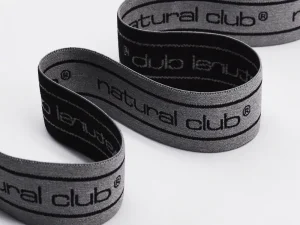
The elastic you choose must be very comfortable. As you know, swimwear is very tight and sits on your skin. If the elastic is too tight, it will dig into the skin. This way, you’ll feel less comfortable wearing swimwear. I recommend choosing elastics that are neither too loose nor too tight. Such elastics, when sewn into swimwear, feel very comfortable. You should consider this factor seriously, especially if your skin is sensitive. The elastics used for swimwear waistbands can be wider and thicker, but not too tight.
7- Compatibility With Swimwear Fabric
Swimwear is available in a wide range of fabrics. Your chosen elastics should be compatible with the swimwear fabrics. You should never choose very tight elastics for fabric that is not very tight. If you do, you’ll end up facing issues such as puckering, bunching, and more. That’s why I recommend choosing elastics that complement swimwear fabrics. Remember, if the swimwear fabric is too tight, choosing tight elastic makes sense. Such swimwear feels more streamlined, comfortable, and visually appealing.
8- Heat & Washing Resistance
Swimwear is washed after your swimming session, right? So the elastic you choose must be resistant to washing. During washing, the elastic would be exposed to detergents. The elastics should not deteriorate when washed with detergents. Apart from this, ה swimwear also undergoes high ironing temperatures. The elastic you select must be durable enough to withstand high ironing temperatures. Some swimwear elastics lose their elasticity when exposed to high temperatures. Such swimwear elastics should be avoided.
9- Seam & Stitching Compatibility
As you know, swimwear elastics are sewn into different parts of swimwear. So the elastic you choose must withstand stitching effectively. It should not tear, fray, or lose its elasticity during sewing or stitching. The elastic must also be compatible with the swimwear fabric. This way, the elastic can be stitched easily to the swimwear fabric. If you choose low-quality elastics, they won’t provide an excellent stitching experience. It would cause stitch breakage, weak seams, and so on.
10- Resistance to Sunscreen & Body Oils
As you know, women use a wide range of creams and skincare products. These include tanning products, body oils, and more. The swimwear elastics are generally in contact with these creams or body oils. So the elastics you choose must be resistant to these oils and creams. When in contact, these elastics should not lose their color or elasticity. Before purchasing, I recommend asking sellers about the elastic’s resistance to skincare products. The elastics that are not fragile may quickly become colorless.
11- Choose Manufacturers Instead of Retail Shops
As you know, elastics can be bought from both retailers and from official manufacturers. If you need elastics in bulk, you should never buy them from retailers. Why? The reason is that retailers offer these elastics at high prices as הם charge א retailer commission. Instead, I recommend choosing dedicated elastic manufacturers. Manufacturers can produce swimwear elastics in bulk at very affordable prices. Additionally, these manufacturers offer customization options for swimwear elastics.
12- Cost & Sample Availability
Cost is an important factor to consider when purchasing elastics in swimwear manufacturing. Remember, elastics are available at different price points to suit different budgets. Some elastics are of low quality but very affordable. In contrast, some types of elastics are high-priced, but their quality is also top-class.
I recommend you look for a balance between quality and price when choosing elastics. Before placing an order, you should ask for samples from the elastic manufacturers. These samples help you analyze manufacturers’ production quality. If you like the sample quality, you can place a bulk order of your elastics for swimwear manufacturing.
סיכום
In conclusion, swimwear elastics are very important. Why? The reason is that they keep swimwear tight and sit comfortably against your body. Elastics are only valuable if they are of better quality. Elastics that are too loose or too tight are never suitable for swimwear. There are several factors to consider when choosing elastics.
In this article, I have discussed 12 important considerations to help you choose the right elastic. Remember, elastic manufacturers would display their products as the best. It is your duty to analyze the quality of elastics. You should be able to decide whether specific elastics are suitable for your swimwear. Use this article as a checklist when making the final decision on elastic selection.