In textiles and clothing, trims can refer to all the small decorations sewn onto a garment other than the fabric itself. They might appear to be small extra features, but in reality, trims are necessary. Trims can make a significant difference in one’s clothing. They are used as decor, form, sojourner, power, or comfort. Trims also ensure that the clothes can stand out on the shelf and last longer in the wardrobe.
Trims are of two simple categories:
- The trims that we can see are shrouded in front, buttons, laces, a zipper, labels, and decorative stitches.
- Invisible trims: These are the elements inside the garment, such as linings, interlinings, facings, and padding. They are invisible yet essential for comfort and structure.
Here is a list of trim types, their functions, and how Lightspot Trim helps designers, producers, and retailers. They provide an ample supply of high-quality trims, making everyone’s work easier.
Buttons
Garments are fastened using buttons, and they usually provide the desirability of design. It is available in various shapes, sizes, materials, and styles.
Common types:
- 2-4 hole buttons (flat)
- Shank buttons (there is a raised loop)
- Snap buttons (release and press buttons)
- Duffle coats sport toggle buttons (as on duffle coats)
- Crystal, pearl, shell, wood, etc., decorative buttons.
Why are buttons important?
They are small and noticeable. A well-made button is attractive and valuable. As an illustration, high-end companies employ solid metal buttons in order to make the jackets luxurious.

Sewing Thread
The thread may not be visible everywhere, but it is one of the most significant details, and if done wrong, it can fall apart quickly. It fastens the garment.
Types:
- Cotton (soft)
- Strong and colorfast: polyester
- stretch fabrics: nylon
- Silk (fine clothes)
- Core-spun thread (a line blend is made to be durable)
What about the thread?
The correct thread does not break, pucker, or have weak seams, keeping the garment undamaged wash after wash.
Zippers
Zippers are applied to both jackets and skirts, as well as bags.
Types:
- Teeth that are metal or plastic
- Dress-invisible zippers
- Jackets Open-end zippers
- Outdoor equipment (waterproof) (zippers)
What is essential about zippers?
Zippers provide a neat and modern way of opening and closing garments. They also determine the tone of the garment. Chunky metal zippers are rough, while invisible zippers are light and smooth.

Hook & Loop (Velcro)
Velcro:
Velcro is another type of fastener consisting of two components, one with tiny hooks and the other with soft loops. It is used in kidswear, children’s shoes, accessories, sportswear, and hospital gowns. It is useful for the specially abled as any age group can use it. It’s important because Velcro can be opened and closed quickly in an adjustable form and fastened easily.
Hook and Eye
This fastening has a small hook, a loop, or a bar. It appears on the bras, skirts, dresses, and blouses.
The reason it matters:
It allows secure closure, and in fitted or formal clothing, there is no bulk.
Eyelets and Rivets
- Eyelets are little metal circles around holes where laces or cords are left.
- Rivets: These are metal posts that work to strengthen places of pressure (as in denim jeans).
The reason why they are important:
They add strength to drawstring holes and reinforce the tension areas of the garment.
Labels and Tags
Labels inform us of who the manufacturing company is, as well as the care instructions. They include:
- Brand name labels
- Care instructions
- Construction of fabric (e.g., 100 percent cotton)
- Size information
- Nation of origin
The reasons they are relevant:
Labels demonstrate quality, win the trust of customers, and assist customers in treating their clothes in the correct way.
Lining and Interlining
Lining: A smooth coating inside clothes that enhances their comfort and appearance.
Interlining: A concealed stiffening layer or insulating layer. Its used in coats, blazers, suits, and structured skirts. The reason they are important is to enhance the structure and comfort of the garments as well as help the clothes hang better on the body.
Facings and Hems
Facings: Fancy pieces of cloth in a garment that complete the necklines, arm-holes, or waistbands.
Hems: Borders turned and stitched so that the fabrics do not deteriorate. The reason why they matter is because they provide clothes with a neat, professional touch.
Shoulder Pads and Padding
Jackets, blazers, and dresses have shoulder pads to structure the shoulders. Padding can also be applied to activewear and lingerie.
The reason why it matters:
Silhouette, along with adding volume, can be specified by pads or foam inserts; pads and foam inserts can protect the pressure points.
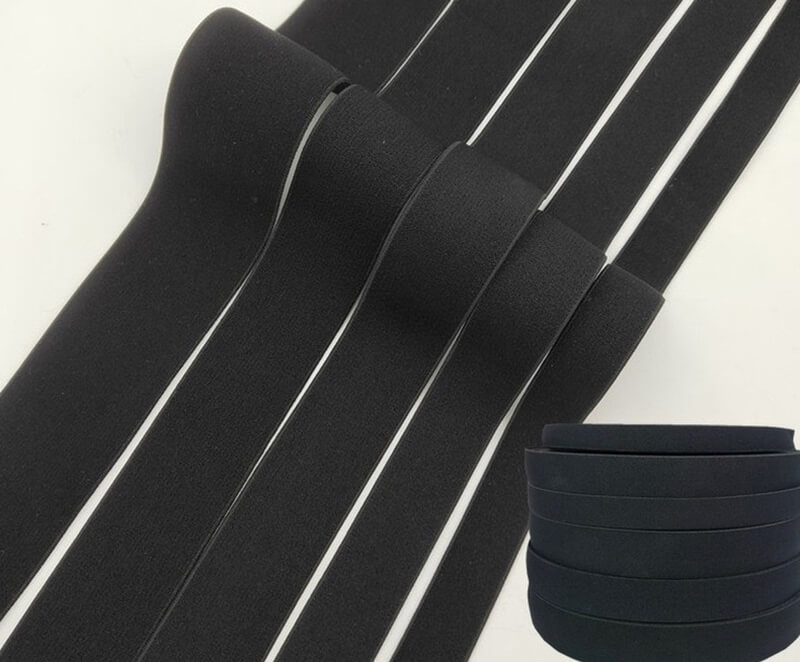
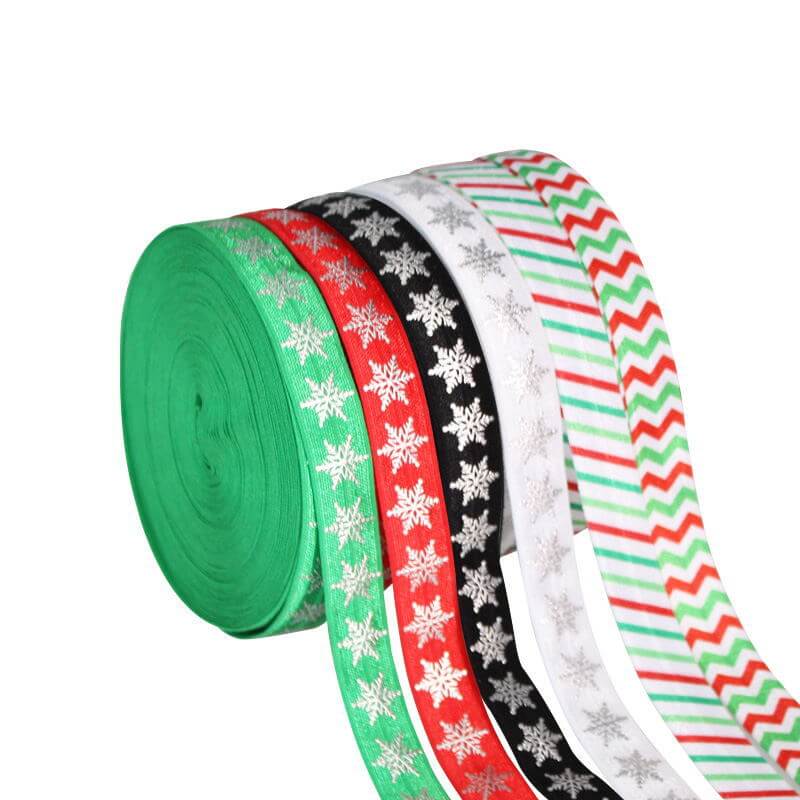
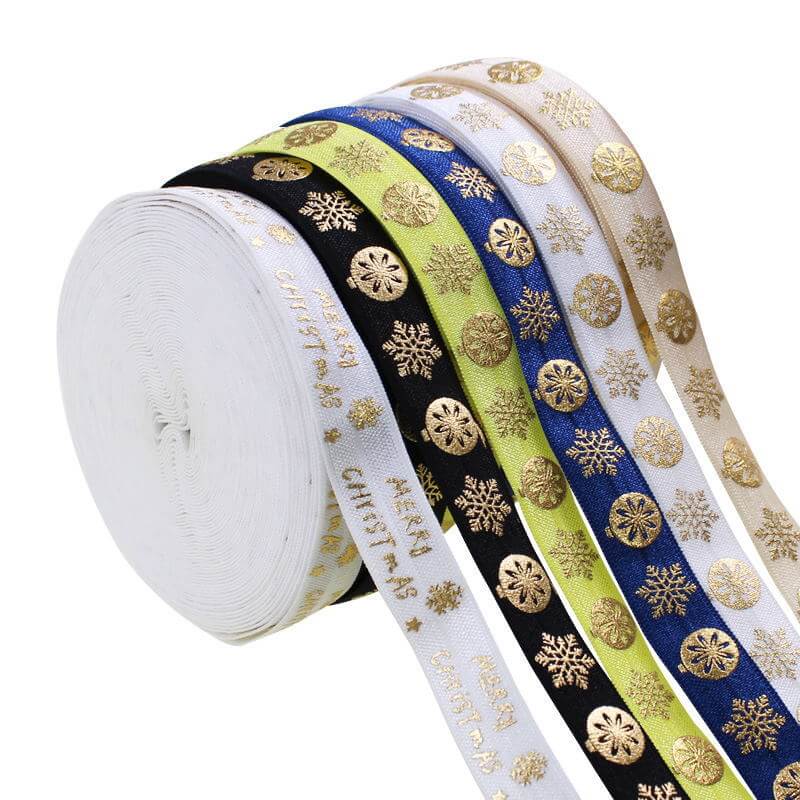
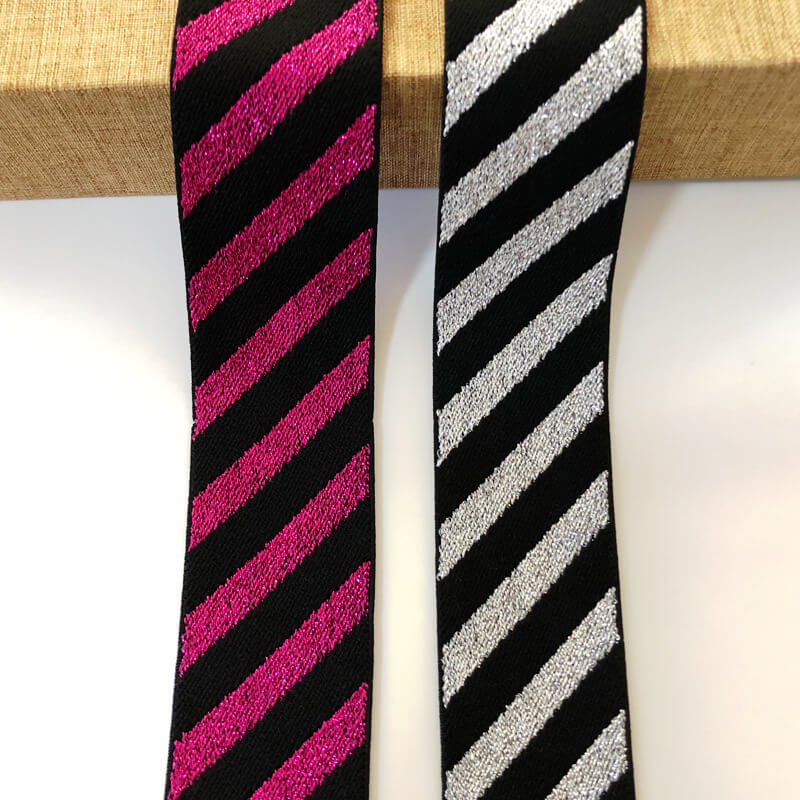
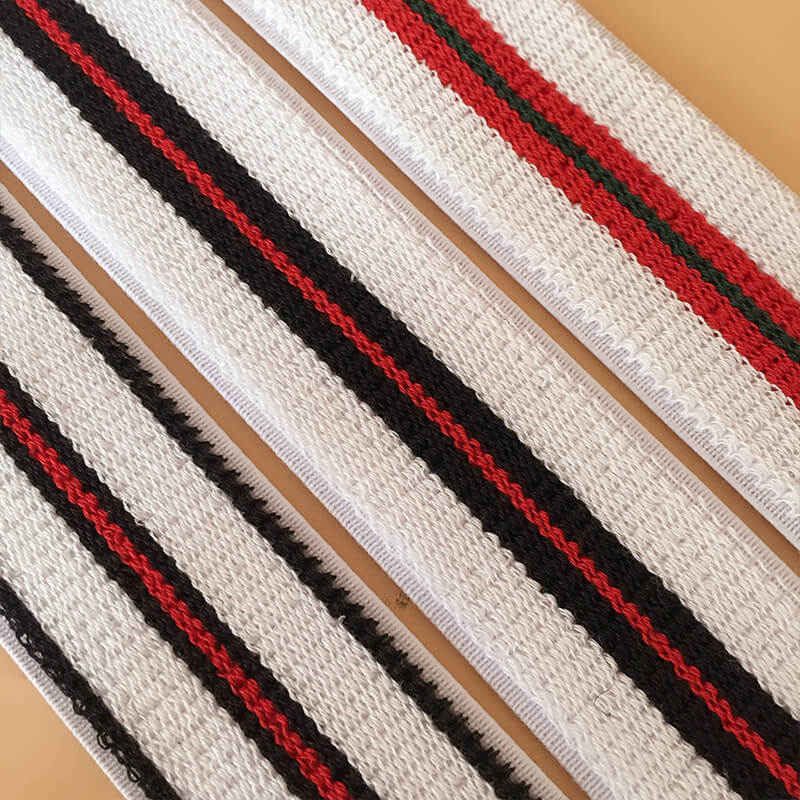
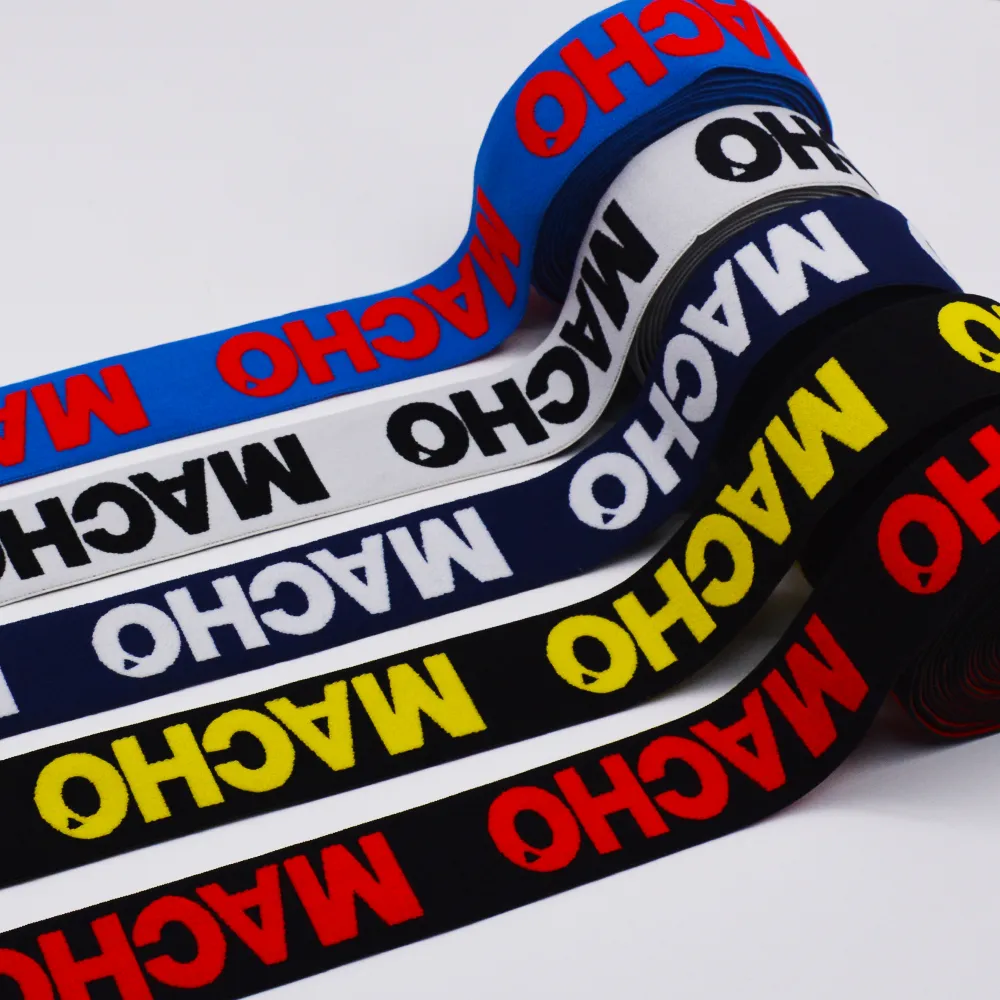
Elastic
Elastic makes clothes stretchable and flexible. It finds its application in:
- Waistbands
- Cuffs
- Face masks
- Sportswear
- Underwear
Types:
- Flat elastic
- Round cord elastic
- Fold-over elastic
Why is it important:
It is adjustable and fits snugly, with zippers or buttons not being necessary.
Piping & Bias Tape
Bias tape: Strips of fabric on the bias, which are used to edge or to create casings.
Piping: The cord enfolds around a fabric and gets pushed into the seams to create a decorative structure. The reason it is important is that these trims stiffen and smooth edges, particularly along curves or corners.
Ribbons
Ribbons are streamers that are soft and thin strips employed in garments to tie, decorate, or reinforce them.
Common uses:
- Bows
- Lingerie tapes
- Decorative stripes
- Package and accessories
The reasons they are important in clothes is that they are pocket-friendly, trendy, and give some beauty to clothing and products.
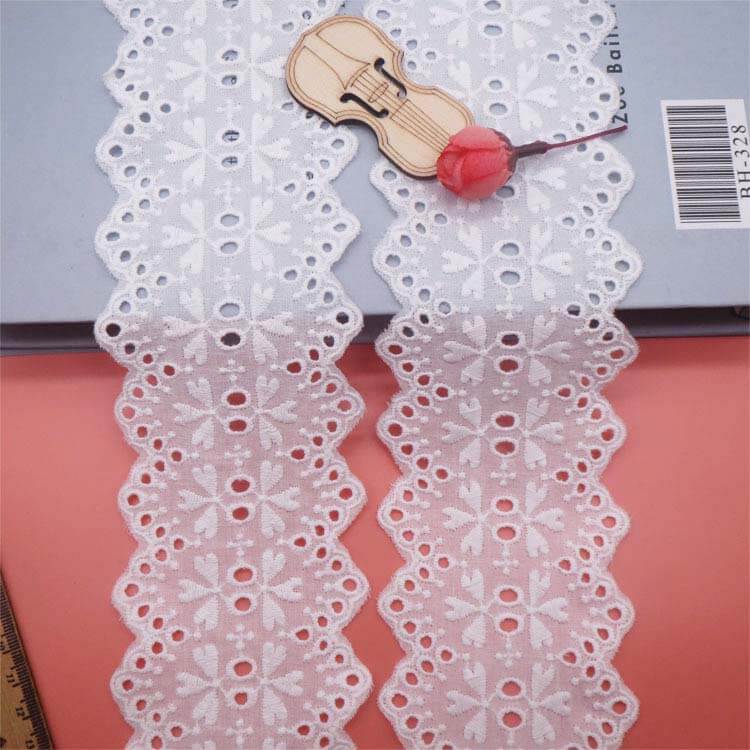
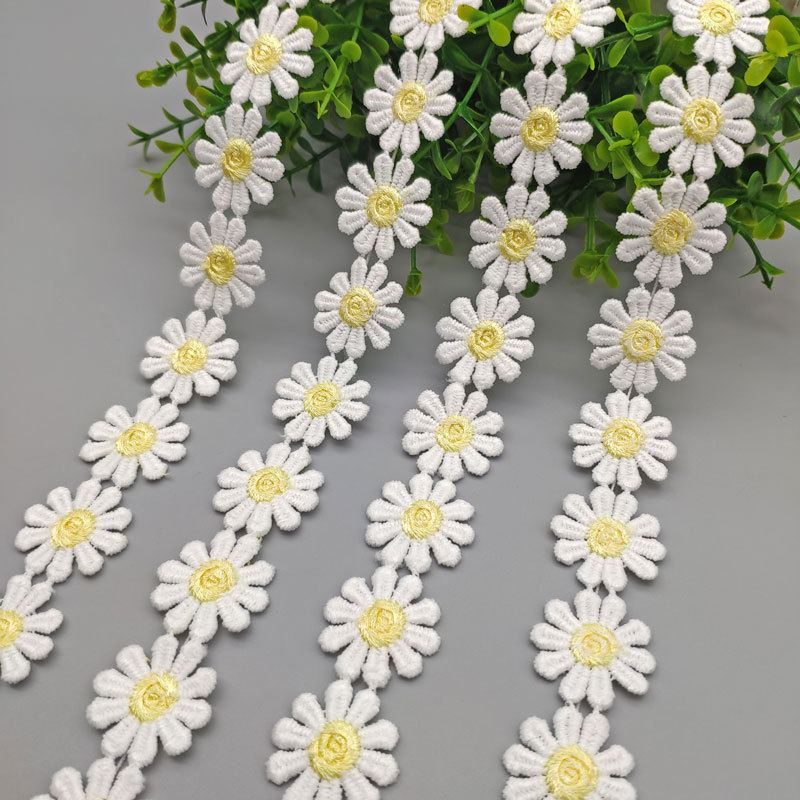
Lace Trim
The lace decorations come in many designs. They add a stylish, vintage, or light look to outfits.
Types:
- Crochet lace (hand-made appearance)
- Braided lace (relief on the net)
- Eyelet lace (cut-out holes and cutting along the edges)
In what cases:
Wedding clothes, tops, babies, underwear, collars, as well as skirts.
Lightspot advantage:
Lightspot Trim provides all three types of lace that come with lovely patterns and consistency in quality.


Cords, Braids, and Webbing
- These are useful trims that are both fashionable and practical.
- There are drawstrings, hoods, and bags that are tied with cords.
- Braids refer to woven designs applied to clothes or furnishings.
- Webbing is a heavy, durable tape that is frequently utilized in belts, straps, or backpacks.
The reasons why they matter:
They are strong and valuable, and also provide the opportunity for bold design.
Frill and Tassels
These are trims that hang over the edge of a garment or accessory.
Tassels: Strands of threads bundled and bound up. It’s used in scarves, bohemian skirts, cushions, and shawls.
Why would they be important?
They bring in motion, texture, and a fun or vintage appearance with regard to style.
Patches
Patches may be artistic, repair-oriented, or branding-oriented.
Types:
- Embroidered
- Woven
- PVC or leather
The importance of them:
They can mend holes, serve as logos, or function as indicators. Denim: typical of jackets, jeans, uniforms, and loungewear.

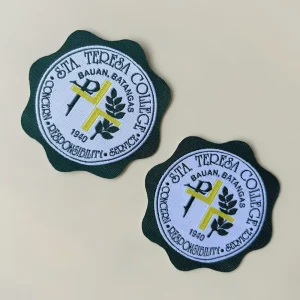
Woven Patches
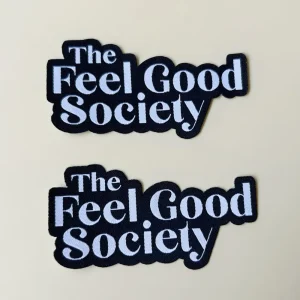
Woven Patches
Embellishments and Appliqué
Appliqué is a kind of decorating clothes with pieces of cut fabric. Beads, sequins, and rhinestones have been added.
The reason they are essential:
These garments give a texture, shine, and visual flair to special occasions or statement pieces. They are fashionable and trendy.
The Importance of Trims and Why They Matter
Trims unite fashion, purpose, and frame.
- Pins: Clothes are wearable with pins, zippers, buttons, and Velcro.
- Decoration: There are design items with lace, fringe, and piping.
- Framework: Clothes are interlined, padded, and elastic to fit and maintain shape.
- Durability: High-strength threads, rivets, and reinforcement ensure the products have a longer lifespan.
- Branding: Tags and patches enable the customers to recognize and be confident in the brand.
Selecting the Right Trim
When choosing trims, take into account:
- Function: What should the trim perform: hold, close, stretch, support, and decorate?
- Compatibility with fabric: Will it work well with the stock fabric?
- Color and size: How can it be matching or contrasting?
- Care instructions: Is it easy to wash or to iron?
- Ease of stitching: Can the trim be added easily in large-scale circumstances?
The advantages of Lightspot Trim: Why choose Lightspot Trim
Lightspot Trim is one of the best suppliers of trim with the options of:
- Trims, beautiful lace (crochet, embroidered, eyelet)
- Elastic and webbing of high-quality
- bias tape, shoelaces, and drawcords
- Lanyards, patches, and woven labels
Quick shipment and minimum orders
Designing fashion items, uniforms, or home accessories? Light Spot boasts trims that can help bring your design idea to life with fashion and quality.
Final Thoughts
The trims are not only decorative but also an important design element in clothing. They provide value, usability, aesthetics, and a sense of identity. Trims are what add fashion to fabric, whether that be lace that adds romance to a dress or elastic that makes activewear comfortable. They are essential in clothing, and a plain garment can be transformed into something special with the right trims. When your trim partner is as reliable as Lightspot, designers and brands can turn their ideas into reality. They do this bit by bit and detail by detail.