Sometimes you wear shorts or pajamas, and they slip down or feel much tighter and make you uncomfortable. Have you ever wondered what the reason behind that is? In most cases, that’s not the fabric or design. Instead, the actual problem is in the waistband. Even a well-made garment feels uncomfortable if the elastic is measured incorrectly. So the question arises: How to Measure Elastic for Waistband Correctly? If you also feel confused about this measurement, worry not! In this guide, I will explain the step-by-step process for measuring the elasticity of your waistband. So let’s get started.
Why Is It Important to Measure Waistband Elastic Correctly?

The right size of the elastic waistband entirely affects the overall comfort of an outfit. There are several reasons why the right size of the waistband elastic matters. First, if the elastic cord is too short, the waistband will feel tight and uncomfortable. It becomes very difficult to sit, bend, and move around.
At the same time, if the elastic is too long, the garment will become loose. It keeps sliding down while you walk or work. However, the right measurement helps the waistband fit naturally, neither too tight nor too loose. Secondly, the right-sized elastic waistband helps the garment look and perform better. This elastic keeps the waistband flat and in place instead of twisting or rolling.
As a result, the garment looks clean, well-settled, and keeps its shape when you use it daily. Lastly, the right measurement of the elastic waistband avoids mistakes and extra work. If the elastic is cut to the wrong length, you will need to remove the stitching and replace it with a new piece. All this takes more time and wastes materials.
Different Ways to Measure Elastic for a Waistband
There is no single method that works for every waistband. They vary with whether you are making a new garment, replacing old elastic, or producing clothing in different sizes. Each measuring method has its own purpose. So let’s discuss the most common ways to measure elastic waistbands and how they work.
- Measure the Person’s Waist
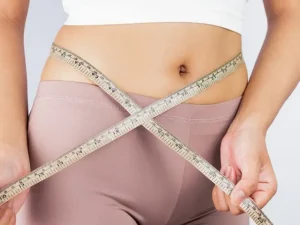
Measuring the person’s waist is one of the easiest and most accurate ways to find the correct elastic length. In this method, you wrap a soft measuring tape around your natural waist. It is usually the narrowest part of the body. But remember, the tape should lie flat against the body, neither too tight nor too loose. Once you have the waist measurement, write it down carefully and cut it accordingly.
- Measure an Existing Garment
If you do not have the person available for measurement, using an existing garment is another reliable option. For this, choose a pair of shorts, pants, pajamas, or a skirt that already fits well around your waist. Now lay the garment flat on a smooth surface and straighten the waistband. However, don’t pull or stretch it. Measure the waistband from one side to the other, then double that number to estimate the full waist size. If you are replacing old elastic, you can also carefully remove it and measure its length.
- Use a Size Chart
Lastly, a size chart is another precise way to determine the right elastic waistband size. Instead of measuring each person individually, elastic manufacturers use standard body measurements. These measurements are grouped by size (Small, Medium, Large) or by age for children’s clothing. These sizes will give you a direct guide to choosing the right elastic size. However, when using a size chart, first identify the correct clothing size. Then, check the corresponding waist measurement.
How to Measure Elastic for Waistband (Step-by-Step Guide)
At first, measuring the elastic for the waistband seems like professional work. However, even if you are a beginner, you can do this at your home for any type of garment. But for the right measurement of elastic and to avoid any mistakes, here are the steps you must follow.
Step 1: Measure the Waist & Decide the Comfort Level
The very first thing you need to do is to measure the waist accurately. Taking this measurement is very important as all other measurements will depend on it. So take a soft measuring tape and wrap it around your waist or the person’s waist. For most garments, this is the natural waist. However, sometimes, such as with low-rise pants or shorts, it might sit slightly lower. All this depends on the person’s preferences.
Also, make sure the fabric is neither too loose nor too tight. Once you get the measurement, write it down because you will use it in the next steps. After measuring the waist, decide how you want the finished waistband to feel. Some people like a snug waistband that can hold the garment. However, some also prefer a slightly loose and more relaxed waistband. So know these preferences and write down the measurement accordingly.
Step 2: Calculate Elastic Length
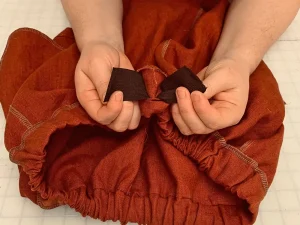
Once you have measured the waist, it’s time to calculate the elastic length. In most cases, the elastic should be a little shorter than the actual waist measurement. Why? Because elastic stretches when you wear it. If you cut it to the same length as the waist, the waistband will become too loose and will not hold the garment at all.
So the simple rule is to cut the elastic about 2 to 4 inches (5 to 10 cm) shorter than the waist measurement. However, the exact length still depends on the type of elastic you are using. Some elastic stretches a lot, while some is firmer and stretches less. So keep all these factors in mind as well when finally calculating.
Step 3: Cut the Elastic & Test Before Sewing
After you have calculated the correct elastic length, you can now cut the elastic. However, before cutting, I recommend measuring it one more time to make sure the length is correct. Once done, take a pair of sharp scissors to make a clean, straight cut. This clean cut will make it easier to join the ends and sew the elastic neatly.
But before you sew the elastic into the waistband, take a few minutes to test it. For this, wrap the cut elastic around your waist or the person’s waist and gently stretch it. Make sure that it feels comfortable, not too tight or loose. Try sitting, standing, bending, and walking while holding the elastic around the waist. This test will help you verify how the elastic will actually feel when you wear it.
Step 4: Sew the Ends Together & Insert into Waistband
Once you are happy with the elastic length, it is time to join its two ends together. Place one end over the other by a small amount, then sew them securely with a strong stitch. But at this stage, make sure that this joint is firmly attached, as it will stretch every time you wear the outfit. After you secure the ends, place the elastic inside the waistband.
If the waistband has an opening, attach a safety pin to one end of the elastic and slowly guide it through the fabric casing. Move the safety pin around the waistband until the elastic comes out from the other end. But one important thing here is that as you pull it through, make sure the elastic stays flat and does not twist inside the casing.
Step 5: Final Fit Check
Now it’s time for the last step: checking the fit of the finished waistband. Wear the garment or ask the person to try it on. When they wear it, test that it sits comfortably around the waist without feeling too tight or too loose. Also, make sure that it holds the garment in place and simultaneously allows you to move naturally.
Wearing the finished waistband, try doing a few simple movements such as sitting, standing, bending, and walking. These movements will help you see how the waistband feels during normal daily activities. If you have done everything correctly, the elastic in the waistband will feel comfortable and well-fitted.
Factors That Affect Waistband Elastic Measurement
Remember, measuring waistband elastic is not only about knowing the waist size. There are several factors that can change how long or short the elastic will be. If you ignore these factors, the waistband might feel uncomfortable even if the waist measurement is correct. To make things easier, here are some factors that can affect waistband elastic measurements.
- Elastic Stretch Percentage
Different elastic bands do not stretch the same amount. Some elastic is very stretchy, while other types are firmer and stretch less. This difference is called the stretch percentage. So if you are using an elastic that stretches more, you have to cut it a little shorter. On the flip side, if there is a firmer elastic band, it should be cut slightly longer.
- Elastic Width
The second thing is elastic width, which can affect its measurement. Narrow elastic usually feels tighter because all its pressure is concentrated on a small area of the waist. For this reason, you may need to leave it slightly longer. On the other hand, a wide elastic spreads its pressure over a larger area. It usually feels more comfortable, even when it is slightly shorter.
- Fabric Weight
The fabric of the waistband casing also influences the overall elastic measurement. If you are using lightweight fabrics, such as cotton and linen, they do not put much weight on the waistband. For them, normal measurement is enough. However, heavy fabrics, such as denim, canvas, or thick fleece, place more weight on the waistband. If you measure the elastic too long, it will slip down. So it is best to measure the elastic slightly shorter so it can maintain its hold.
- Garment Type
Lastly, the type of garment you are making affects the elastic measurement. Every garment has a different purpose and requires a different level of stretch. For instance, if there are sports shorts and activewear, you will need to measure the elastic slightly shorter for a firmer hold. However, lounge pants or sleep shorts are made mainly for comfort. They do not need a very tight waistband, so you can measure the elastic slightly longer.
Conclusion
Elastic has become an important part of almost every type of garment we wear today. However, it remains comfortable only when measured correctly. A wrong-sized elastic often feels either too tight or too loose, making the entire garment uncomfortable. That’s why, in this guide, I have discussed some steps that will help you measure and cut the elastic for any type of garment.
But remember, these are different ways to measure the elastic. Those depend on whether you are using it. Also, the measurement of elastic can be affected by garment type, use, weight, and elastic width. That’s why, before taking the final measurement, you must keep all those factors in mind.