These days, elastic bands are an essential part of almost every garment. However, when buying an elastic band, we only pay heed to prices and often overlook its material. That’s a huge mistake that can lead to poor fit, discomfort, and quick wear and tear. Are you confused about which materials are used in elastic bands and which one you should choose? Worry not! This guide to materials used in garment elastic bands will explore some common materials and their features. By the end, you will be able to choose the right material for your garment elastic band. So let’s get started.

Why Material Choice Matters in Elastic Bands?
That’s right, the material used in an elastic band may not be visible. However, the material inside the elastic band significantly affects how it performs over time. Before we discuss the material, let’s dive in and explore the key reasons why the right choice of elastic band material matters.
- Stretch & Recovery Performance: The material choice affects the elastic band’s stretch and recovery. For example, some materials offer better stretch but might not have good recovery. If the elastic does not recover well, garments can become loose. However, the right material ensures that the elastic stretches comfortably and then snaps back.
- Comfort on the Skin: The material also affects how it feels on your skin. Some elastic materials offer softness and feel very comfortable on the skin. However, some materials are rough and may irritate some people.
- Durability & Lifespan: The material basically determines the elastic band’s overall lifespan. Low-quality material causes frequent wear and loss of stretch and recovery. However, the right high-quality material ensures your elastic band lasts longer.
- Washing & Care Resistance: Garments are washed regularly. Right? Therefore, elastic bands must survive these repeated washings, drying, and stretching. This is a good choice of material that keeps the elastic functional and wash-resistant.
Common Materials Used in Garment Elastic Bands
You often notice that elastic bands look similar on the outside. However, the material inside differs and matters a lot, as I discussed above. Now that you understand why material choice matters, let’s discuss some common materials used in garment elastic bands.
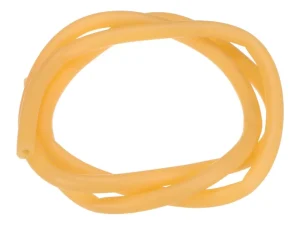
1- Natural Rubber (Latex Elastic)
Natural rubber elastic is one of the oldest yet still widely used materials for garment elastic bands. This material is made from latex, which comes from the sap of rubber trees. That’s why it has naturally very strong stretching and elasticity. It is favored for elastic bands because it stretches a lot without breaking and quickly snaps back after use.
This makes natural rubber very useful in garments that need a firm hold. Another best thing about natural rubber is its cost-effectiveness. How? It is naturally and readily available, so it is mass-produced. This mass production lowers its cost worldwide. But remember, natural rubber also has some limitations. For example, it does not perform well and loses its elasticity when exposed to high heat, sweat, or chemicals.
2- Spandex (Elastane / Lycra)
Spandex, also known as elastane or Lycra, is a synthetic elastic material. It means this material does not exist naturally but is manufactured in laboratories. That’s why spandex has features like softness and greater stretchability. You can stretch it to three times its length, and it will still return to its original size without losing elasticity or shape.
Such excellent stretching helps garments stay fitted over time. Spandex is also known for its soft and smooth feel on the skin. It does not feel rough or irritate the skin, making it ideally suited for sensitive skin. You can easily use it for undergarments, lingerie, and sportswear. However, spandex is slightly more expensive than natural rubber and may not withstand heat well.
3- Polyester
Polyester is another material used in garment elastic bands. Polyester elastic uses polyester fibers along with some elastic threads. That’s why it offers a perfect balance of strength and durability. Polyester elastic is strong enough to withstand repeated washing, moisture, and stretch.
Also, it can effectively handle heat and maintain its shape stability, even when washed with hot water. Another specialty of polyester is its color retention. So you can use it in visible elastic bands in clothing designs. However, polyester has limited stretch. That’s why it might feel firmer to the skin and sometimes cause irritation to people with sensitive skin.
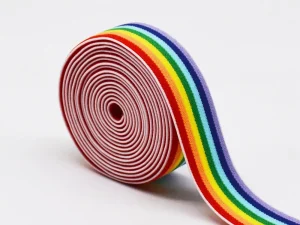
4- Nylon Elastic
Nylon elastic is made by combining nylon yarns with elastic threads. It is known for its soft, smooth feel. Remember nylon feels gentle on the skin; that’s why it is suitable for garments worn close to the body. It also offers good strength and flexibility, but not much stretch like spandex.
That’s why I recommend nylon for everyday garments. Another benefit of nylon elastic is its lightweight, neat appearance. How? Actually, it lies flat and resists twisting within the fabric casing, which maintains the tidy look of the garment and the elastic band. However, one drawback of nylon is that it can absorb moisture, which weakens its stretching and flexibility over time.
5- Polypropylene Yarns
Another material option you will find for the garment elastic bands is polypropylene yarn. This material is known for its excellent resistance to moisture and light. It means polypropylene does not absorb water, so it prevents mildew and odor buildup. Also, it does not make the cloth feel bulky and resists chemicals effectively.
You can use detergents, soaps, and other chemicals to wash it, and it will not deteriorate or break down. However, polypropylene elastic has limited heat resistance. High temperatures can weaken or damage the material. It also has lower stretch recovery and might not maintain its shape over time. That’s why it is a practical option only for specific garment applications.
6- Cotton Blend
Cotton blend is another very popular material used to make elastic bands. Remember, cotton is very soft and feels breathable and relaxing on the skin. However, it has no elastic properties. Therefore, manufacturers mix some elastic materials, i.e., spandex, to make a cotton blend. This new material is now soft, breathable and elastic due to the presence of elastic materials.
Generally, around 30-35% of elastic material is added to pure cotton to make this blend. Elastic bands made from these materials are comfortable to wear, so they are used in kids’ wear.
Additionally, people with sensitive skin find these elastic bands comfortable due to the softness of the cotton. However, fewer elastic materials are used in the making of this band. So over time, it can lose its stretchiness and become useless, mainly when used and washed more frequently.
How to Choose the Right Material for Garment Elastic Bands? Key Factors to Consider!
Remember, not all elastic materials are suitable for every type of garment. That’s why you must choose the right material so that it matches your garment’s requirements and nature. Confused about how to choose the right material for garment elastic bands? Here are the key factors you should consider before buying elastic band materials.
- Garment Type & Function: Different garments have different needs for elasticity and comfort. So first you have to understand your garment type and its function. For example, if you have tight-fitting or stretchy garments, you will need high-elastic materials (such as spandex or nylon). But loose or non-skin-contact garments may need firmer or elastic materials, such as polyester or natural rubber.
- Appearance & Finish: All types of elastic band materials offer different appearances. If the elastic is visible on the outside of a garment, it can affect the garment’s look. Hence, in areas where the elastic is visible, you can choose cotton or polyester-covered elastic. On the other hand, with an elastic band for hidden garment areas, you have options of natural rubber.
- Comfort & Skin Sensitivity: The elastic band materials offer varying levels of comfort. Some materials, like natural rubber, can cause allergies in sensitive people. If you are one of them, I recommend choosing spandex or cotton-covered elastic that feels soft and gentle
- Cost & Budget: Lastly, when selecting the elastic band material, consider your budget. Elastic materials range in price from cheap to expensive. If you prioritize comfort, scratch resistance, and a long lifespan, expensive options like spandex will suit you. However, for casual wear, you can choose polyester elastic to save cost.
Conclusion
Elastic bands are now a critical part of all garments. When buying the elastic bands, the material is overlooked. However, the material of the elastic band plays a crucial role in overall comfort, stretching, and its lifespan. That’s why in this article, I have discussed some common elastic band materials with their specifications.
For example, some materials, such as natural rubber, have good to moderate elasticity and lower prices. However, it might not suit skin-sensitive people. To avoid this, you can choose a spandex option that costs more but offers comfort and softness. In this way, you can find several options to fit your requirements. However, the final choice of elastic band material depends on garment type, comfort level, and your budget.