You’ve nailed the design. The colors pop. The stitching is clean. But if the fabric flops, none of it matters.
A great patch starts with the right material. You pick the wrong one and your thread puckers, the edges curl, and the whole thing looks off. Choosing the best fabric for embroidery patches isn’t complicated, but it is important.
This quick guide breaks it down for you.
You’ll learn what embroidery patch materials work, what don’t, and how to match your fabric to the design’s purpose is to really make an impact. No matter whether you want jacket patches, badge-style designs, or soft vintage looks, this is the way forward for your next patch.
Why Patch Material Matters (Don’t Skip This)
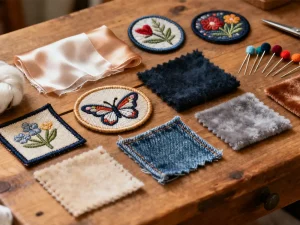
Material selection is important. By choosing the wrong fabric, even the most exquisite embroidery work can turn out sloppy, uneven, or faded. Stitches may bunch or pull, and it just may not hold up (especially after a few washes).
The best embroidery fabric for patches supports clean stitching, keeps colors vibrant, and helps your patch hold its shape over time. Also, it feels better while worn and lasts long on clothes, bags, or gear. You need a canvas that supports your design, not one that fights against it.
Think for a moment about where you’re going to place the patch when you start sewing, how you intend to use it, and what kind of strength it needs. That one decision will influence all that has to do with the patch, from appearance to longevity.
Best Material for Embroidery Patches
Not all materials offer the same look, feel, and strength in embroidery. Some are all for heavy-duty use, others for light or decorative use. To choose your fabric, you should be aware of your options and how they compare.
Here is a quick rundown of some of the most popular modern embroidery patch materials in use today:
| Material | Texture | Durability | Best For |
| Twill | Smooth | High | Most standard embroidery patches |
| Felt | Soft | Medium | Vintage or simple designs |
| Cotton | Light/Smooth | Low-medium | Detailed stitching |
| Denim | Textured | High | Jackets, bags, casual wear |
| Canvas | Rough | Very High | Outdoor gear, heavy-duty use |
| Leather | Glossy/Rich | Very High | Premium or fashion patches |
1. Twill
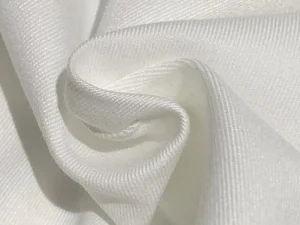
Twill is the most popular and generally accepted as the material of choice for embroidery patches of various styles, from sports to corporate and fashion, team uniforms to logos, and jacket embellishing to club patches.
Smooth, tightly woven surfaces provide a great place for holding stitches in designs. It’s tough, yet easy to handle and nice to look at. It offers the best finishing for both bold and intricate designs.
Here’s why twill is often the crowned king in embroidery patches:
- Holds embroidery stitches without bunching or puckering
- Has a smooth surface
- Enhances design clarity and works well with sew-on and iron-on backings.
- Available in many colors for easy matching
- Withstands frequent wear and washing
One of the smartest choices for just about most patch projects is twill because it’s so strong and very stylish. When in doubt, begin with twill; it’s generally a fabric most embroidery professionals swear by.
2. Felt
Felt is another favorite fabric for embroidery patches, especially when you want that soft, vintage, or handmade look and feel. It has a slight fuzziness to its texture that keeps warmth and character to your design.
Here’s what makes felt a solid choice for certain patch styles:
- Soft, cozy texture ideal for retro or handmade aesthetics
- Easy to cut, shape, and stitch by hand or machine
- Doesn’t fray at the edges, so you don’t always need a finished border
- Lightweight and flexible, great for accessories or light fabrics
- Available in a wide range of colors
It’s not made for heavy wearing or repeated laundering, but shines when design comes first and not necessarily the rugged performance of the material. If your patch is more about personality than utility, felt is worth considering.
3. Cotton
Cotton is a smooth, breathable fabric and very apt for the fine design of embroidery work. It’s pretty easy to stitch on and holds color very nicely, making your artistic or intricate patches look perfect.
That said, cotton isn’t the strongest option when it comes to wear and tear. After all, it’s softer and finer than twill or canvas, so chances are high it won’t bear up very well over extended use in heavily used or frequently washed items.
Still, it has its place in the world of embroidery patch materials, especially for custom pieces, art patches, and limited-use designs.
Why choose cotton for your patch project?
- Ideal for detailed or high-thread-count embroidery
- Soft and easy to work with, even for beginners
- Takes dye well, so colors stay vibrant
- Comfortable for apparel patches
- Best for light-use items or decorative applications
If you’re designing a patch that’s all about the artwork, not durability, cotton is a fabric to consider.
4. Denim
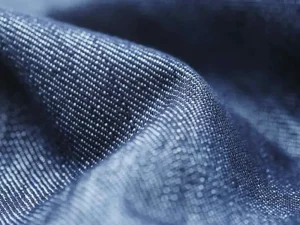
Denim is a strong, textured fabric, so it serves well as a base for patches that need to last for some time. It’s especially popular for jacket patches, bag designs, and casual wear that takes a beating.
Its thick weave promotes good washboarding with bold designs and heavy stitching without distortion. Not to mention, it infuses that patch with a cool, casual vibe, which is a huge favorite of streetwear, workwear, and custom fashion projects.
Here’s why denim is a top pick for long-lasting patches:
- Thick and tough, ideal for outdoor or daily-use items
- Able to handle large or heavy stitch patterns without difficulty
- Add texture and structure to your design
- Looks great with both bright and vintage color palettes
- Great for jackets, jeans, backpacks, and more
If you want a patch that can handle movement, friction, and the occasional wash, denim delivers.
5. Canvas
Canvas is one of the most durable materials available for embroidery patches. It’s thick, strong, and built to handle rough use, making it perfect for outdoor gear, utility uniforms, backpacks, and work jackets.
Its coarse weave gives patches a more rugged texture, which adds character to bold or minimalist designs. While not ideal for very fine detail, canvas excels when strength and staying power matter more than smoothness.
Why canvas is a great choice for heavy-use patches:
- Extremely durable and resistant to wear
- Handles large, bold embroidery with ease
- Great for outdoor, military, or work-related applications
- Doesn’t shift or pucker under pressure
- Ideal for iron-on, sew-on, or Velcro backings
If your patch needs to withstand heavy use or appear to do so, canvas is the way to go.
6. Leather
Leather and faux leather add a sleek, high-end feel to any embroidery patch. It’s bold, stylish, and built to last, which makes it a great choice for fashion patches, accessories, or special edition designs.
Because leather is thick and smooth, it works best with simple embroidery. Detailed or dense stitching can be more complex to manage, especially on genuine leather. But when used right, the results are striking and unique.
Here’s why leather might be the right fabric for your patch:
- Strong and long-lasting, even with frequent handling
- Offers a premium, professional finish
- Best for minimal or low-density stitch designs
- Pairs well with laser-cut shapes or heat-press applications
- Works great on jackets, caps, bags, and leather goods
If your patch is meant to make a statement or be part of a luxury piece, leather delivers on both style and durability.
Partner With LightSpot for Quality Trims to Match Your Patches
Selecting the embroidery patch fabric is just a start. If you are in need of elastic, binding tape, lace, or webbing for your project also then you will have to look for a dependable supplier.
Lightspot is one of the acclaimed textile trim manufacturers in China, boasting over 15 years of hands-on expertise in this domain. It has gained great respect for being fast, accurate, and steady while making varied quality trims, fashion, and function.
Their product line includes:
-
Elastic: Elastic cords and clothing bands
-
Bias Binding Tape: Available in both single-fold and double-fold
-
Webbing: Straps, belts, and knitted webbing
-
Patches: Embroidery, chenille, and woven styles
-
Lace Trim: Embroidered, crochet, and eyelet lace options
If you’re making apparel or accessories, these trims paired with custom patches are just what you need to get that finished look.
If you’re sourcing materials for your next embroidery project, Lightspot offers both variety and reliability.
Your design deserves the proper foundation and the right finish!