Patches are a fun way to decorate various items, such as clothes and bags. The two main types are woven patches and embroidered patches. These two patches may appear similar at first glance, but they differ in texture and strength. Their differences bring a debate over woven vs embroidered patches.
Some people favor woven patches due to their fine details, while love embroidered patches. Are you confused and don’t know which of these two patches is best suited for your specific needs? Worry not! This guide will help you decide between these two types by explaining the main differences between them. Let’s begin!
10 Key Differences Between Woven and Embroidered Patches

To pick the right patch for your clothes, you need to know the difference between woven and embroidered patches. Woven patches are great for clear and detailed designs. On the other hand, embroidered patches are firm and textured.
In the section below, I will highlight the key differences between these woven and embroidered patches. Understanding them will help you know which type of patches is best suited for you.
1- Production Method
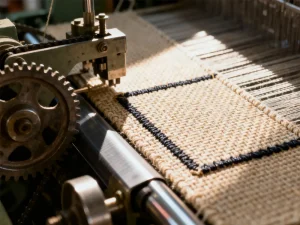
Woven patches are made by weaving threads together on a loom. This creates a smooth, flat surface that can display fine details and subtle lines. Because the threads are tightly packed, the patch looks even and clean, making it great for text or small logos. Woven patches are best suited for clear, detailed designs without raised texture.
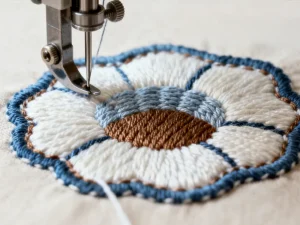
Stitching threads are used to embroider patches onto a fabric backing with a needle and thread. This gives the patch a raised and textured look. Embroidery works well for bold and simple designs, but it can be challenging to capture tiny details due to the thickness of the threads. The raised stitches make the patch look and feel more 3D. The embroidery gives it a luxury and handmade feel.
2- Design Detail
Woven patches are great for showcasing details, such as small letters or subtle color changes. The weaving process is precise, allowing complex designs to emerge clearly. They are perfect when you need sharp designs that are easy to read, such as for company logos or collectible items. They are also very durable and maintain their clarity after many washes.
Embroidered patches have a raised and textured look, which looks good. However, they are not particularly adept at capturing fine details either. Small elements may appear crowded or blurry because the thread occupies space. They work best for simple shapes or bold logos. Although they aren’t as detailed as woven patches, their texture lends them a high-quality feel.
3- Thickness and Texture
Woven patches are usually thinner and more flexible than embroidered patches. Their flat surface makes them easy to sew or iron onto clothes. These patches bend well on curved or uneven areas. This thin design is ideal for projects where you don’t want extra bulk, such as on lightweight jackets, hats, or backpacks.
Embroidered patches are thicker and raised because of the stitched layers. This gives them texture and a 3D appearance, making them more eye-catching. The extra thickness makes them more challenging to attach to certain types of fabric. They can also feel stiff on lighter materials. Their textured feel makes them perfect for patches that are meant to stand out.
4- Color Vibrancy
Woven patches can display a wide range of colors and smooth, gradient-like effects. The weaving blends threads to create soft color transitions that embroidery can’t easily match. This makes them ideal for detailed designs that need precise colors. Even small designs stay sharp and colorful, giving a professional look.
Embroidery involves stitching thread onto fabric, making it more challenging to achieve subtle shading. Bold colors stand out well, but smooth gradients are tricky. With a skilled custom patch manufacturer, even small letters and detailed logos can be made accurately. The thread colors remain bright and clear over time.
5- Durability
Woven patches are strong but can fray at the edges if they don’t have a finished border. They handle washing well, especially when stitched or heat-sealed. Their smooth surface resists snags, making them great for clothes that get frequent use. For clear designs that last, woven patches are a top choice.
Embroidered patches are very durable because of the thick stitching. The threads withstand wear and tear. A high-quality embroidery can withstand many washes without losing its shape or color. The raised texture adds strength, making embroidered patches perfect for items that need to last long while looking bold.
6- Cost & Pricing
Woven patches cost more than embroidered ones for small orders because they need precise machines to make them. For large orders, the cost can be similar. They provide excellent detail and clarity, making them worth the investment. When deciding between an embroidered patch vs a woven one, consider your budget and the level of detail you need.
Embroidered patches cost less for small, simple designs because basic shapes are easier to stitch. They can be made quickly in large amounts at a lower cost. Prices increase for very detailed embroidery, but it remains a more affordable choice for simple designs. They are a practical option for businesses ordering in bulk.
7- Method of Application
Woven patches can be sewn or ironed onto many types of fabric. They can also be heat-sealed. Their thin design makes them easy to apply and conform to curves. This makes them great for clothes, hats, and promotional items. They stay flat and smooth, so the design always looks clear. You can also layer them on different fabrics without adding bulk.
Embroidered patches are typically sewn on, although some have an iron-on backing for easy application. Their thicker texture can make ironing tricky on delicate fabrics. Sewing is ideal for durability, especially on items that will be washed frequently. They also add a bit of padding, making the patch feel more substantial, and the threads hold color well over time.
8- Popular Uses or Applications
Woven patches are often used for detailed logos, brand badges, and collectible designs. Their sharp look makes them great for sports teams or corporate merchandise. They are selected when accurate design and a professional appearance are most important. They also work well on smaller items where every detail needs to show.
Embroidered patches are commonly used for uniforms, military insignia, and decorative clothing. They are perfect for designs that require a bold appearance. Custom embroidery patches add a sense of prestige and strength. These patches also last a long time and can make even simple designs look more special.
9- Production Time
Woven patches take longer to set up because the threads have to be chosen carefully and woven precisely. After the setup, though, you can make a lot of patches quickly. They are worth the extra time when you need a design that is very clear and detailed. Woven patches are best when quality takes precedence over speed.
Embroidered patches are quicker to make for simple designs. Modern machines can produce multiple patches simultaneously, which saves time. They are a good choice for large orders or when you need them fast. Embroidery works best for bold shapes and colors rather than tiny details.
10- Customization Options
Woven patches let you customize designs and color blends. You can also customize sizes, and your patch can be as large or as small as you want it to be. They can show small letters, detailed images, and complicated logos clearly. This makes them perfect for brands or collectors who need precise and sharp designs.
Embroidered patches allow you to select thread colors and border styles. They can’t show very tiny details, but raised stitches, shiny threads, or special edges can make each patch look unique. Embroidery is best for simple designs that stand out. These patches also last a long time and retain their shape even after extensive use.
Frequently Asked Questions
What is the difference between woven and embroidered patches?
Weaving methods make woven patches. The threads are woven together, creating a fine detail. On the other hand, embroidered patches are made by stitching. The threads are stitched into the fabrics, giving them a bold look. Their difference in production makes them unique in many aspects.
Which patch, woven or embroidered, is more affordable?
The embroidered patches are more affordable than woven patches. However, these patches give off a more bold look. Their lack of fine details makes them unfit for artwork and logos. The woven patches are more expensive but offer a higher level of premium than embroidered patches.
Are embroidered patches more durable than woven patches?
Yes. Embroidered patches stand out in terms of durability. Their thick stitching ensures they can withstand harsh usage. In fact, the embroidered patches don’t fade if you wash them repeatedly. Woven patches are also decent, but they are less durable than the embroidered patches.
Woven vs Embroidered Patches: Which Is Right for Your Design?
Both woven and embroidered patches offer a unique value proposition. This makes the selection of these patches very challenging.
However, I recommend woven patches if your design has finer details. The threads in these patches are woven in a way that they appear. So, they create fine characteristics and nice finishing. On the other hand, embroidered patches are suitable if your design is bold and does not need blending of colors.
Remember, some designs are meant to be bold and highlighted. Right? For example, uniform or military badges must be prominent. In such cases, the embroidered patches are the best option. However, for sleek designs or logos, the woven patches work fine. They also offer fine color blends. However, these woven patches are a bit more expensive, which can be a drawback.