Shoes should be comfortable, easy to wear, and fit well. Right? However, that’s not always the case. Many shoes feel loose, tight, or uncomfortable after prolonged wear. This is where elastic straps come in. But if you are new to this trick, you might wonder: How to add an elastic strap to shoes?
Basically, elastic straps stretch with your foot, making shoes more comfortable to wear. Also, straps allow the shoe to adjust naturally as you walk. But if you have never done this before, adding the elastic straps might feel tricky. But worry not! In this guide, I will discuss step-by-step methods to help you add elastic straps to shoes. So let’s get started.
Why Add an Elastic Strap to Shoes?

Elastic straps are not just about flexibility for shoes. They offer several practical benefits that enhance the shoes’ functionality. So let’s explore some reasons you should add elastic straps to your shoes.
- Makes Shoes Easy to Wear: One of the biggest reasons to add an elastic strap to shoes is convenience. How? Basically, elastic straps stretch when you put your foot on them. After that, they return to their original position once the shoes are on. It means you don’t have to tie your laces every time.
- Improves Shoe Fit: Sometimes you get shoes that feel loose or tight, even if they are the correct size. For this issue, adding an elastic strap is very beneficial. Elastic straps help make your shoes fit by adjusting to the shape of your foot.
- Adds Comfort: You often notice that laces or buckles feel very hard, making your foot uncomfortable. However, the elastic straps move with your foot, reducing pressure points during walking.
- Custom Shoe Modification: With elastic straps, you can modify your shoes according to your needs. For example, you can convert lace-up shoes into slip-ons, fix loose shoes, or replace broken straps. This way, you don’t need to buy a new pair, which saves you money.
How to Add an Elastic Strap to Shoes?: Top 4 Methods
Have to understand why adding elastic straps to shoes is so beneficial? Know that adding elastic to shoes does not require special skills or tools. Even if you don’t have prior experience with the method below, you can easily add the elastic strap to your shoes.
Method 1: Sewing an Elastic Strap by Hand
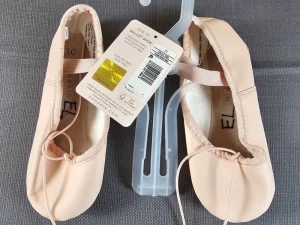
The easiest, beginner-friendly way to add an elastic strap to your shoes is to sew it by hand. This method just requires a needle, thread, and focus. So before sewing, you must decide where the elastic strap will sit on the shoe. You can add it to the top of the shoe, near the sides, or near the heel, depending on your needs.
For example, if your shoes slip off, you have to place an elastic across the top to help hold the shoes in place. After deciding the placement, measure the strap and cut it properly. For accurate measurement, I recommend wrapping the elastic around the selected area of the shoe while wearing it. Stretch it gently but not fully and mark the length. After marking, remove the elastic and add a little extra length (about 1–2 cm) for stitching.
Now, secure the measured elastic from one end of the shoe to the other with pins before sewing. After securing, begin sewing at one end of the elastic. For this, push the needle through the fabric and elastic together. But remember, you must use small, tight stitches to hold the elastic firmly in place. Also, sew back and forth several times at that exact spot to make the stitch strong. Once one end is secure, continue sewing across the width of the elastic.
However, while sewing, keep stitches even and close together, and do not pull the thread too tightly. When one end of the elastic is secured, repeat the process on the other end. Apply multiple stitches to the other end of the elastic using the shoe fabric to ensure it is strong. After completing sewing, walk around for a few minutes to check comfort and fit.
Method 2: Using a Sewing Machine
You can also add elastic straps to your shoes with a sewing machine. This method is swift and secure, but you must have basic sewing machine skills. So, first decide where to place the elastic on your shoes, then measure and cut it properly. Next, place the elastic in the required position on the shoes and pin or clip both ends to the shoes.
After that, set your sewing machine setting to the zigzag stitch. This stitch allows the elastic to stretch without breaking the thread. Also, before stitching, make sure you use a strong thread, such as polyester, for better durability. Now place the shoe with the elastic under the presser foot of the sewing machine. Adjust the shoe under pressure so that the needle goes through both the elastic and the shoe fabric.
After this, finally begin sewing at one end of the elastic strap on your shoes. However, at this point, don’t rush the process; sew slowly and guide the shoe through the machine. Also, while sewing, slightly stretch the elastic without pulling it too much. Once you reach the second end of the elastic, sew back and forth for extra safety. In the end, walk around and make sure the elastic is not too loose or too tight.
Method 3: No-Sew Method Using Fabric Glue
Don’t you want to deal with sewing? Another method is the no-sew method using fabric glue. Using strong fabric or shoe glue, you can quickly attach an elastic strap to your shoes. But remember, it is not as strong as sewing; you can use it if you don’t have time. So before using glue, make sure the area where you’ll attach the elastic is clean and dry.
After that, decide where you want the elastic strap on your shoes and cut it properly. After measuring, set the elastic aside and apply fabric glue to the areas of the shoe where it will stick. Now, apply a small amount of glue to the ends of the elastic, then carefully place it on the selected area of your shoe.
Now, press the elastic firmly against the shoe and hold it for a few seconds for good adhesion. After adhesion, don’t use the shoes quickly. Instead, after gluing, rest the shoe for 24 hours, or at least the recommended drying time listed in the glue manual. Once dry, try the shoe on and walk around to check comfort and fit. If you still feel any weak points in the elastic on your shoes, you can add more glue for better results.
Method 4: Replacing Shoe Laces with Elastic

Lastly, replacing the shoe laces with elastic is another popular method to make shoes easier to wear. You can try this method for casual shoes and kids’ shoes, so they can put them on their own. For this method, first remove the original laces from your shoes. After that, clean the eyelets (holes) so that there are no threads or dirt in them.
After that, measure the elastic so it fits comfortably when threaded through the eyelets. However, here, never measure the elastic according to the lace length. Why? Because the elastic needs to stretch, it should always be short. After measuring, cut the elastic neatly and thread it through the empty eyelets of your shoes.
Thread it just like you do with the laces, like starting at the bottom and working your way to the top. If your elastic has ends that might fray, you can heat-seal the tips slightly with a lighter. Once the elastic is in place, test the stretch by slipping your foot in and out. Lastly, secure the ends of the elastic using fabric glue, and your shoes with elastic are ready to wear.
Where to Place Elastic Straps on Shoes?
Now you know the methods to add elasticity to your shoes. Right? However, many get confused about exactly where it is most practical to strip a shoe. Generally, there are three common spots to add elastic that make your shoes more comfortable and functional. Let’s discuss them below.
- Across the Top: Firstly, you can place the elastic strap across the top of your shoes. This spot is especially beneficial if your shoes slide your foot forward. When you add elastic across the top, it stretches as you put your foot in and then gently holds it in place.
- On the Sides: If you want to improve the flexibility and comfort of your shoes, you can attach the elastic to the sides. This elastic placement helps the shoes slightly expand when you bend or walk quickly. It also reduces pressure on your foot while walking, making movement easier and more comfortable.
- At the Heel: Some shoes, especially slip-ons or sandals, slip off the back of your foot when you walk. This can be very uncomfortable while walking. Right? For this, you can attach an elastic to the heels of your shoes. The strap goes around the back of your foot. So when you walk, the elastic stretches and holds your heel securely in the shoe.
Frequently Asked Questions
Can I remove or replace the elastic strap later?
Yes! You can remove or replace the elastic strap later without damaging the shoes. If you have used a no-sew method, it is very easy to remove or replace the elastic in your shoes.
What type of elastic is best for shoes?
There are different types of elastic specific to each shoe type. For example, round elastic cords are stronger and better for sporty shoes. However, buttonhole elastic is best for kids or growing feet. The flat elastic works well for all types of shoes.
How long does an elastic strap last?
The durability of the elastic straps depends on how the shoes are used. Generally, elastic straps last for years if you glue or sew them properly. Also, by avoiding overstretching and exposure to water, you can enhance their durability.
Conclusion
Elastic straps are used in almost every product we use. However, adding them to the shoes is one of the most practical uses of the elastic straps. It makes the shoes more comfortable and secure and improves their fit. They are perfect for sneakers, flats, kids’ shoes, or any footwear that needs a little extra support.
However, for newbies, it might feel challenging to add the elastic strap to the shoes. That’s why in this guide, I have discussed some standard methods for easily adding an elastic strap to your shoes. All of these methods don’t require special skills, tools, or time. Anyone can upgrade their shoes at home with these methods. They will not only save you time and money but also add convenience to everyday wear.