Today, clothing is not just about style; comfort matters a lot, too. When you wear an outfit that feels so light, comfortable, and stretchy, it’s likely made of knitted fabric. Knit fabrics have actually become a necessity in the textile industry. From your t-shirts to trousers and sweaters, knit fabric is everywhere. But one thing you must know is that not all knit fabrics are the same; there are different types of knit fabrics.
Each of those types varies in strength, durability, and flexibility. For example, some might be light and airy, perfect for summer, while others are thick and cozy for winter. But if you are new to knit fabric, these types might confuse you, and you might end up choosing the wrong one. But worry not! In this guide, I will explore some common types of knit fabric with their specifications. So let’s get started.
What Is Knit Fabric & How Is It Made?
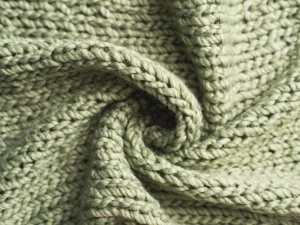
Before exploring the types, let’s first understand what exactly knit fabric is.
Knit fabric is a type of textile made by looping yarns together rather than crossing threads like in woven fabric. These loops connect to form a soft, flexible structure. Because of this loop system, knit fabrics naturally stretch and feel comfortable on the body.
The main reason behind the popularity of knit fabric is its flexibility. This flexibility comes from the knitting process. How? In knit fabric, each loop is connected to the next, and all loops depend on each other to hold the fabric together. Now, when you pull a knit fabric, the loops can expand and then return to their original shape.
But how exactly is the knit fabric made? Interestingly, there are two methods for making the knit fabric. Those include weft knitting and warp knitting. In weft knitting, a single yarn (or a few yarns) moves side to side horizontally. This movement makes loops across the width of the fabric. Each of those rows of loops is connected to the row before it. This pattern is what makes the fabric very stretchy and soft. But remember that loops depend on one continuous yarn. So if one loop breaks, the fabric can unravel easily.
The second method is warp knitting, which uses multiple yarns simultaneously. Those yarns move up and down (vertically) along the length of the fabric. Each yarn forms its own set of loops, and these loops are connected in a more complex way. That’s why warp-knit fabrics are high-strength and durable yet less flexible. Although the loops are dependent on each other, there is no chance of breakage due to such a complex pattern.
Some Common Types of Knit Fabric
Now you have a basic idea of knit fabric and how it is made. Right? If so, understanding its types is now much easier. These types mainly fall into two categories of knit fabric: weft and warp. So let’s dive in and explore some common types of knit fabric that you can use for your needs.
1- Jersey Knit
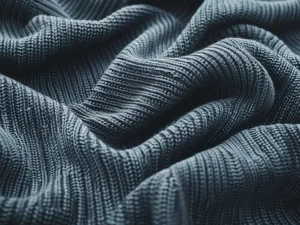
The first, most common type of knit fabric you will love is jersey knit. It is the fabric you usually see in your everyday clothing, like T-shirts and casual dresses. This fabric is made using a single yarn that forms loops in a simple side-to-side pattern (weft knitting). Because of this structure, jersey knit feels soft, light, and comfortable on the skin. When you look closely at the jersey fabric, you will notice that the front side is smooth.
However, its backside has a slightly textured or looped look. This difference happens because of how the loops are formed during the knitting process. But this pattern is very useful. How? Actually, the front smooth side enhances your style. However, the textured backside improves flexibility. It means the fabric moves easily with your body. However, jersey knit is lightweight and made from a single yarn. That’s why it can sometimes curl at the edges and may lose shape.
2- Rib Knit
Rib knit is a very flexible, stretchy knit fabric that is easy to recognize. Why? Because it contains vertical lines that are called “ribs.” These lines are formed by alternating loops in a special pattern. That’s why it looks the same on both sides and feels thicker and more elastic than simple jersey fabric.
What you will like most about rib knit fabric is its high stretch and recovery. It can stretch a lot, especially across the width, and then return to its original shape without becoming loose. That’s why you will see rib knit in cuffs, collars, waistbands, and fitted garments.
3- Interlock Knit
Another type of knit fabric you can use is interlock knit, known for its clean, balanced appearance. Actually, it is made with two sets of needles that create loops on both sides of the fabric simultaneously. Due to this special manufacturing, both the front and back sides look almost identical and smooth.
So even if you are skin-sensitive, you can easily wear an interlock knit. However, this knit fabric has lower flexibility than jersey knit. That’s why it feels slightly heavier but still comfortable. The interlock knit fabric also does not curl at the edges like jersey, so you can easily cut and sew it.
4- Purl Knit
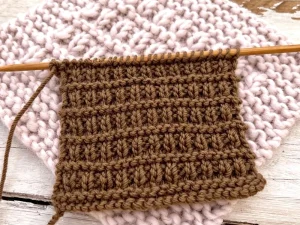
Purl knit is a less common but very interesting type of knit fabric. How? Actually, it is made by arranging knit and purl stitches in a specific pattern. This stitching gives the fabric a slightly bumpy, textured appearance, unlike the smooth interlock knit. The bumpy texture also shows greater structural looseness.
It means it stretches easily in different directions and feels cozy against the skin. However, the purl knit is not very stable or firm and might loosen over time. This is because loops are not locked together as strongly and do not have a strong “support structure” inside the fabric.
5- French Terry
French Terry is a soft, medium-weight knit fabric that is perfect for everyday use. When you look at its manufacturing, it is made in a special looped structure, with one side of the fabric smooth. However, the backside has small loops or soft piles. These loops are not cut.
They give the fabric a slightly textured and absorbent nature, which is best for summery weather. French Terry also has a good amount of stretch. It moves easily with the body and is not as tight or structured as rib knit, but it still holds its shape well.
6- Fleece Knit
Fleece knit is a warm, soft, and cozy fabric primarily used for cold-weather wear. What makes it different is its manufacturing. Actually, it is made by taking a knit base fabric and then brushing or raising the surface to create a fluffy texture. This brushed surface basically acts like a barrier against cold air. As a result, it keeps the body warm and retains its temperature.
At the same time, fleece is still lightweight compared to heavy wool. So you can wear it all day without feeling heavy or tired. Another quality of fleece knit is that it dries quickly and is easy to care for. How? It is usually made from synthetic fibers, such as polyester, which do not absorb much water. So you can wear it in rainy outdoor conditions.
7- Slub Knit
Slub knit is a unique, stylish knit fabric you can choose. It is well known for its slightly uneven and textured appearance. Unlike the above smooth knit fabrics, such as rib and interlock, slub knit has small, thick, and thin areas in the yarn. Basically, during production, the yarn is not kept perfectly even in thickness. Instead, some parts are thicker while others are thinner.
This gives the slub a slightly irregular texture. But this irregularity is not a mistake. Instead, it is intentionally made to give the fabric a more organic, fashionable feel. In terms of feel, slub knit is usually lightweight and breathable. Also, despite its irregular pattern, it allows air to flow and feels cozy against the skin.
8- Tricot Knit
Tricot knit is a type of knit fabric made in a very tight, organized structure. That organized manufacturing method is warp knitting. There, many yarns run up and down together at the same time. As a result, the fabric becomes stable and does not easily stretch out of shape. That’s why it differs from soft, stretchy fabrics like jersey.
The yarns are closely connected, so the fabric does not easily tear even after regular use. Even if a small part gets damaged, it usually does not spread quickly. You can re-stitch that damaged part and use the tricot again. That’s why tricot knit is mostly used in lingerie, inner linings, sportswear, and fitted garments.
9- Raschel Knit
Raschel knit is a type of knit fabric designed primarily for its pattern, structure, and aesthetic, not for everyday softness. The process of making a Raschel knit is also warp knitting. Many yarns run vertically and are looped together. But that loop-making process takes place through a controlled machine.
This allows the fabric to form clear shapes, open spaces, and detailed patterns. You can carry the Raschel knit with embroidery patches to enhance its look. However, if you look at the texture of Raschel, it varies depending on the design. Some versions are very light and open, almost like a mesh, and are best for summer. However, some of its textures are thicker and more solid.
10- Mesh Knit
Lastly, there is a mesh knit that has open holes and a breathable structure. During manufacturing, the yarns are arranged to create small gaps between them. These gaps form a net-like pattern from which it gets its name. Also, due to this open structure, mesh knit does not trap heat or moisture easily.
So you can use it in hot weather or during physical activity. Another best feature of mesh knit is flexibility. Even though it is thin, it can still stretch somewhat, which helps it move with your body. You will often see it in areas of clothing that need extra ventilation, such as the underarms or the back panels of sports shirts.
How to Choose the Right Knit Fabric for Your Needs
As you can see, there is a wide variety of knit fabrics. But not all of them are for every season or style. So it’s normal to get confused when making a selection. That’s why, to make this decision easier for you, I will discuss some factors you should consider before choosing a knit fabric.
- Purpose of the Clothing: First, you must know what you are making. As you know, different clothes need different types of fabric. So, if you want something for everyday wear, like T-shirts, I suggest using jersey knit. However, if you are making winter clothes, then thicker knit fabrics like fleece knit are a better choice.
- Level of Stretch You Need: Stretch is one crucial factor that decides the comfort of clothes. So if you need clothing that moves easily with your body, opt for fabrics with high stretch, like rib knit. However, if you want a fabric that holds its shape, then interlock or tricot knit is best.
- Weather & Comfort: The weather where you will use the fabric also matters. If you are looking for something for hot weather, lightweight fabrics like mesh knit or jersey knit are ideal. They allow air to pass through and keep the body cool. But for cold weather, thicker knit fabrics like fleece or French terry are good options.
- Durability & Use: Lastly, consider how long you will use the knit fabric. Some clothes are worn daily and washed often. Right? In such cases, you must choose strong, long-lasting knit fabrics like interlock or tricot. They hold their shape well even after regular use. However, for fashion or casual wear, you can go with softer fabrics like jersey or slub knit.
Conclusion
Knit fabrics have become an important part of our everyday clothing. They are loved for their comfort, flexibility, and practicality. But knit fabric does not come in one form. Instead, there are several types that I have discussed in this guide. All those types vary in style, comfort, thickness, and durability. Also, the manufacturing processes for each type vary, which affects their usability. Among those, the best choice is the one that meets your needs. Now, when you know how each fabric behaves, it’s much easier to pick the right one for comfort and purpose.