In large-scale production, trims account for 15-20% of a garment’s manufacturing cost. Low price, by itself, does not explain the role and purpose of trims. Trims do more than just improve the look of a garment; they also affect the overall use, comfort, and fit.
So, what do we mean by trims? In simple terms, they are all the supports or add-ons to the main fabric of the garment. These include elastic bands, zippers, tapes, threads, laces, and much more. Trims are used to support the garment, extend its life, and enhance its beauty. Trims should not be confused with extras, such as belts or removable pins, since they are a crucial part of the garment’s construction.
In this guide, we will help you identify the main types of elastic bands, tapes, and lace trims, including an understanding of their components and manufacturing processes. They include the materials used, their jobs and uses, as well as their exact roles. Additionally, we will discuss technical aspects, including stretch, return, and wash strength.
So, let’s begin.
Categories of Garment Trims
In the creation of garments, three main types of trims are recognized: functional, decorative, and mixed. Each type has different jobs. Knowing these differences allows you to choose the most suitable trim for your design and style’s needs.
Functional Trims
Functional trims are the biggest part. Their use is limited to areas such as making, fitting, or closing the garment, for example, elastic bands for waistbands, caps, or sleeves.
Sewing threads hold the garment along seams. Zippers and tapes help in the opening, closing, or strengthening key areas of the garment.
Strict rules judge their quality. For sportswear or hard-use garments, prioritize strength, stretch, and heat safety.
Decorative Trims
Decorative trims are the added decorations on garments. Focus on laces, fringes, and ribbons placed on necklines, hemlines, or even extra trims and needlework.
While they do not affect the garments’ working abilities, they will surely change the way the garment is seen. Select these materials with care; they should complement the fabric, but also withstand the effects of washing and everyday use.
Hybrid Trims
Hybrid trims are a combination of functionality and decoration, featuring lace elastics that stretch and look elegant, as well as satin bias tape that reinforces seams and gives a polished look.
They are ideal where there is a need for functionality and style. As with any trim, consider the fabric and the garment’s intended use.
Elastic Bands in Garment Manufacturing
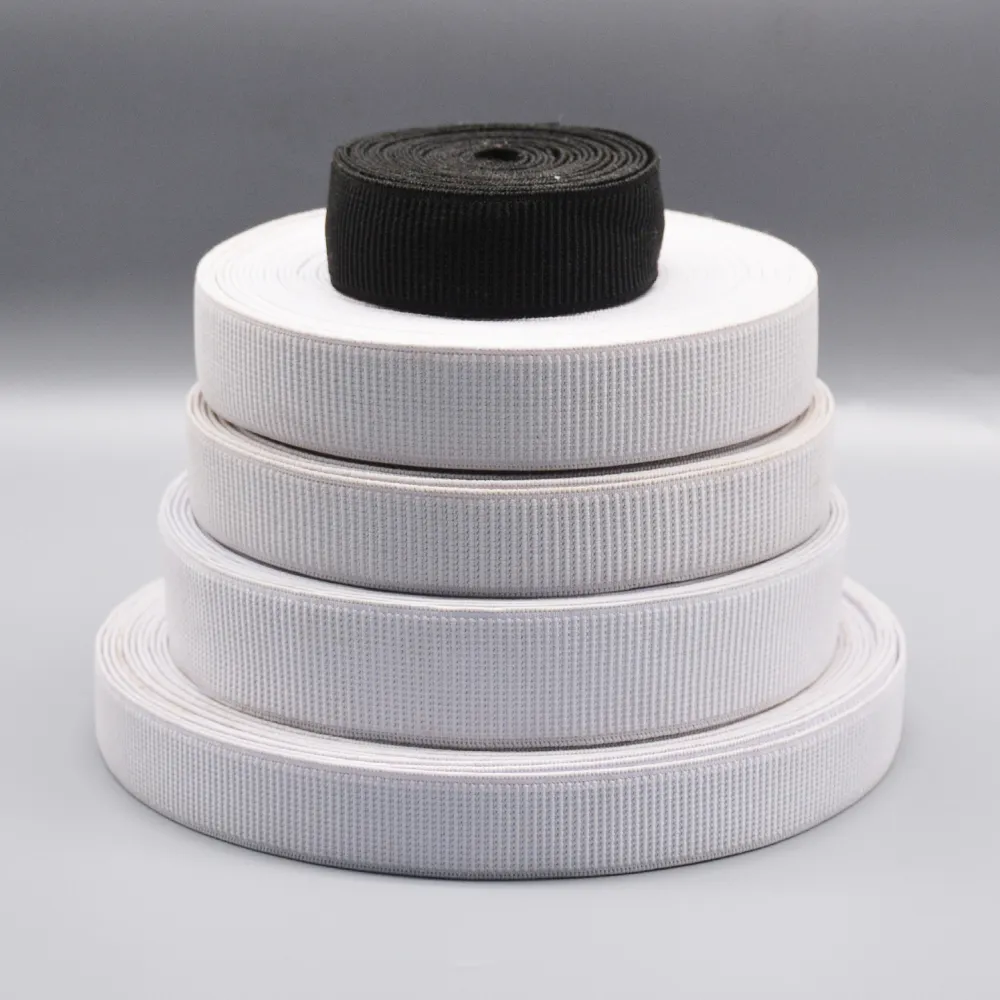
Elastic bands are important in every garment as they provide stretch, flexibility, and support. They are most commonly found in activewear and underwear. When used correctly, elastics help improve the fit, comfort, and performance of the garment. However, the right elastic material needs to be chosen based on its type, structure, and technical properties.
What Are Elastic Bands?
Elastic bands have two main parts: the inside and the cover. The inside is made of rubber or latex, which provides stretch. The outer cover, made of polyester, nylon, or cotton, adds strength and facilitates sewing while keeping the inside safe.
There are three main types of elastic:
- Braided elastic – Works best in light uses. Stretchy but gets thinner when stretched.
- Knitted elastic – Soft and doesn’t get thinner. Works best for touching skin.
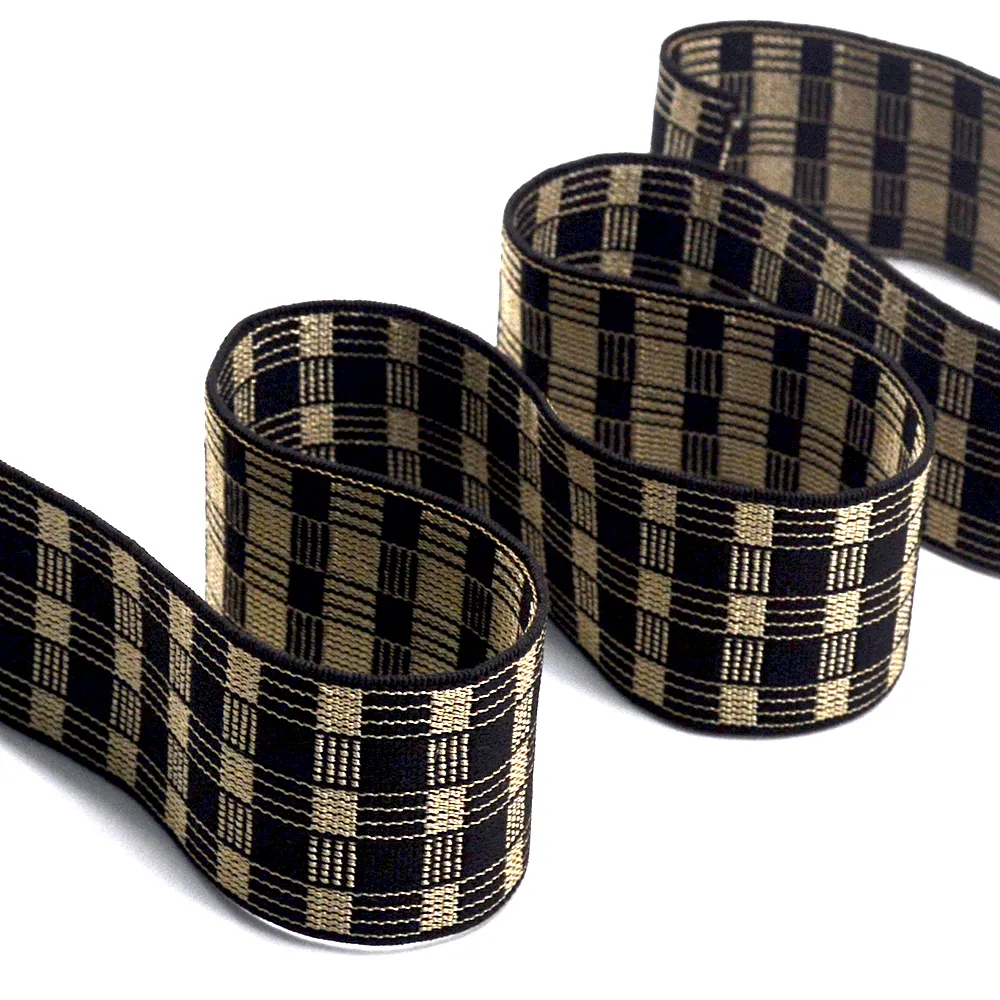
- Woven elastic – Strong and steady. Works well for heavy clothing, such as jackets.
Different types of elastic work differently. That’s why the choice depends on how and where you plan to use it.


Applications in Garments
You can find elastic bands in waistbands and cuffs, as well as in swimwear, underwear, and even pregnancy clothing. These trims let garments stretch and shrink with movement.
Remember to check two important details: the stretch amount (how much it stretches) and the shrink limit (reaction after washing). Both affect fit and performance.
Technical Properties
Here’s a quick breakdown of the main technical details:
| Property | Description |
|---|---|
| Stretchability | How far can the elastic stretch when pulled |
| Recovery | How well it goes back to its original shape |
| Width | Changes—common sizes include ¼”, 1″, and 2″ |
| Makeup | Can be latex-free (for allergy-safe use) or rubber-based |
Always match these details with your garment’s final use.
Selection Criteria
Select elastic for clothes that can be washed, as well as those that can withstand chlorine, bleach, and high heat. Some elastics wear out under these conditions.
Also, check if you can sew it easily. Thicker or harder elastics may need special needles or machine settings.
Lastly, think about the long-term use of the garment. Will the elastic last after many stretches? Test it. A badly made band will wear out fast, and that means a lot of unhappy buyers.
Tapes Used in Apparel Production
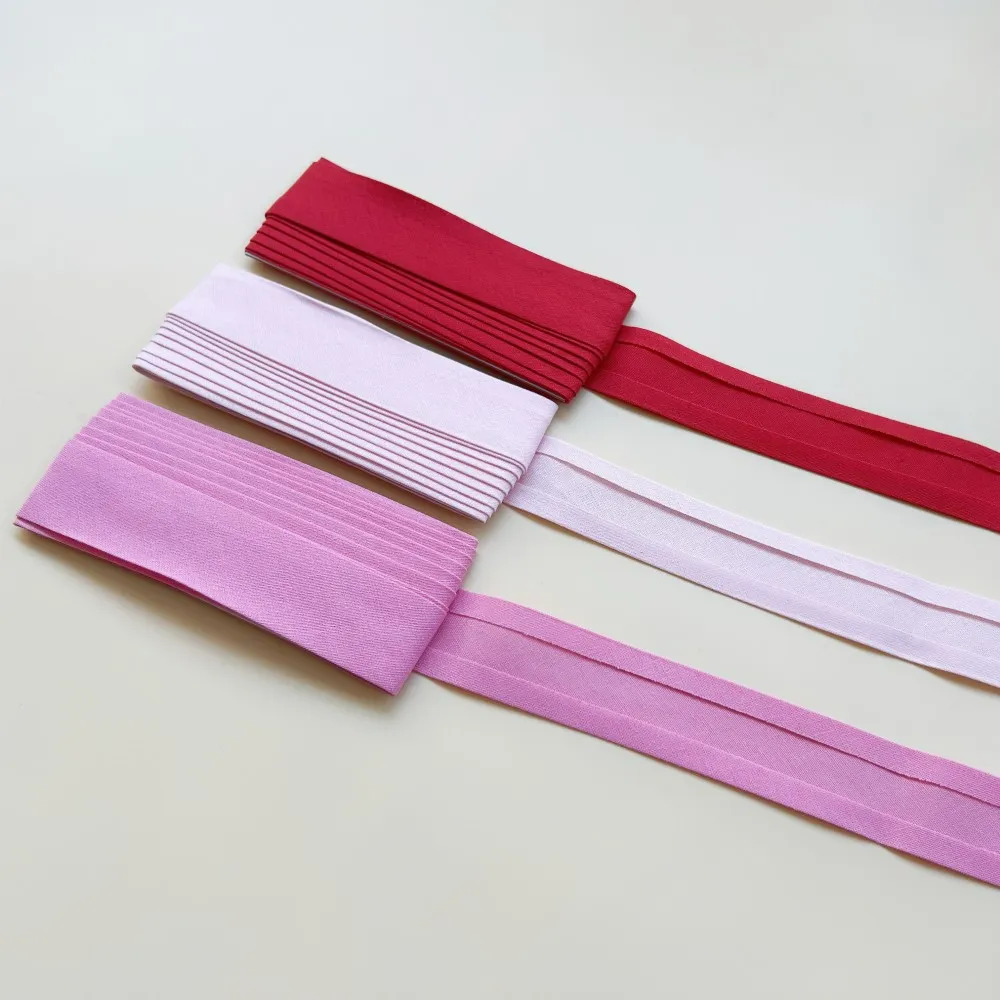
In garment making, tapes have many uses in the iron-on parts. You use tapes to reinforce seams, finish edges, or add decoration. Although they may seem simple, the right tapes can add support and enhance the appearance of the garments.
Definition and Construction
Tapes are narrow and made of warp and weft yarns, coming in narrow widths. This makes tapes good for edges and keeping seams firm. It is common to find tapes made of cotton, polyester, nylon, and even mixed fabrics. These materials offer varying levels of strength, softness, and lasting quality. It is essential to select the appropriate tape for the garment’s intended use.
Types of Tapes
Here are the most common types you’ll work with:
- Bias Tape – Good for finishing curves on necklines and armholes.
- Stay Tape – Stops fabric from stretching at seams.
- Twill Tape – Used in waistbands and for support.
- Grosgrain Tape – Combines strength and style.
- Velcro Tape – Great for closures and changeable parts.
Each tape has a clear job. Most tapes are picked and used during the making of garments.


Key Technical Characteristics
Ensure you check both up-and-down and side-to-side strength. Check the shrink resistance and if the color stays. Also, check the softness or stiffness of the tape for how it will be used. Firm clothes need stiff tapes, while soft tapes are better for home wear and baby clothes.
Sewing & Attachment Considerations
Consider the thickness of the tape when setting up your machine. Guide tape can be single-fold or double-fold. Whichever style of tape you choose depends on the edge finish you want. Along with neat sewing, be sure to prevent fraying by using edge covering methods effectively.
Laces in the Textile and Fashion Industry
Laces are often found in the fashion world. Lace is a delicate, open fabric that you can find it on both fancy clothes and soft garments. Lace was made using methods such as knitting, crocheting, and stitching, or through chemical methods.
Each lace way gives a different feel and structure. For example, chemical lace is made by stitching on a water-soluble fabric. After the fabric is washed, the stitching is left with a clean, detailed shape.
Types of Lace
| Lace | Simple Details |
|---|---|
| Chantilly Lace | Chantilly lace is light and flower-patterned lace. |
| Guipure Lace | Thick and heavy lace without a net background is guipure lace. |
| Raschel Lace | Stretchy lace is raschel lace. |
| Chemical Lace | Detailed patterned lace made on a fabric that can be washed away is chemical lace. |
| Stretch Lace | Good for tight and body-fitting clothes made from spandex, a stretch fabric. |
While working with lace, take note of the most important lace details, such as stitch tightness, repeat size of the pattern, and the material to be used, which can be cotton, rayon, polyester, or silk. You may also want to make sure the lace’s strength and care quality by checking for shape stability after washing.
Lace is used for wedding wear, evening gowns, and underwear. You may use lace as a patch, a full piece, or inserts. Don’t forget the edge finish; lace trims are the perfect last touch to fancy garments.


How to Select the Right Trim for Your Garment
Here are some best practices that can be helpful for you:
- Don’t forget to check if the trim’s stretch matches the fabric of your garment. Uneven stretch can lead to wrinkling or changes in shape.
- The shrinkage and reaction of the fabric and trim after dyeing and washing should also be checked. This avoids the risk of uneven color or sudden fabric shrinking.
- Select trims, considering the garment’s intended purpose. For sportswear, pick trims that are light and airy. For dress wear, trims that are stiff and stylish are the best options.
- Ensure the trim is sturdy and won’t wear out easily. It should withstand a lot of washing and regular use.
- Know the limits of your sewing machine. Check the needle size, thread tightness, and fabric feeding ability for the trim you choose.
- Consider the cost if the trim you choose requires expensive, intricate sewing.
- Stick to approved trims. Look for OEKO-TEX or REACH approval for safe and eco-friendly trims.
- For individuals with sensitive skin and allergies, it is recommended to avoid rubber elastics.
Trim Attachment Methods and Best Practices
For lace trim, opt for top stitching if you want it to be visible. Go for hidden stitching if you want a smooth and unseen finish.
With elastics, decide early to either use a fabric tunnel to hold the elastic or sew it on for quicker and easier open sewing.
For narrowing, use stretch stitch if you want some give. Use a tight stitch for firm, strong seams.
Always do pull tests on elastic. This checks it won’t break or stretch out during use.
Don’t skip checking for shrinking after washing to see if the trims stay the same size.
Adjusting your machine settings, such as thread tension, stitch size, and feed speed, can help prevent seam wrinkling.
Common Trim Defects and Quality Control Measures
Problems with trimming a garment can be a concern in terms of both quality and usability.
- Loss of bounce within elastic materials can be seen, which affects both fit and function.
- Lace can also be damaged by tearing and wear, often around the edges or seams.
- Lace and other materials may also come apart or fade due to washing and exposure to light.
Strict checking steps need to be followed to meet these processes.
- Take a close look and use a small glass to inspect for fraying, snags, or incorrect stitches.
- Perform a stretch-and-return test to check if the elastic can stretch and return to its original shape.
- Do color and rubbing tests to check fading and wear on the surface.
Following these steps ensures that quality remains consistent throughout different production runs.
Conclusion
Trims serve a basic purpose for any garment, adding stretch, support, and visual appeal. For mass manufacturers, trims provide a large 15–20% value for money, bringing a big production cost investment, and it is important to choose wisely. Always trim for strength, stretch, and wash performance.
Use the correct machine settings and methods for the application to achieve the best results. Trims done right enhance garment quality, overall brand value, and customer happiness. Trims should never be an afterthought. Instead, they must be the core parts of a garment’s construction and design.
Are you looking to get customized trims for your garment business? Contact us now.